Sign in


Create an account
Registration has been disabled.
Lost Password?
Enter your email address and we'll send you a new password..
If remembered password go back to login.


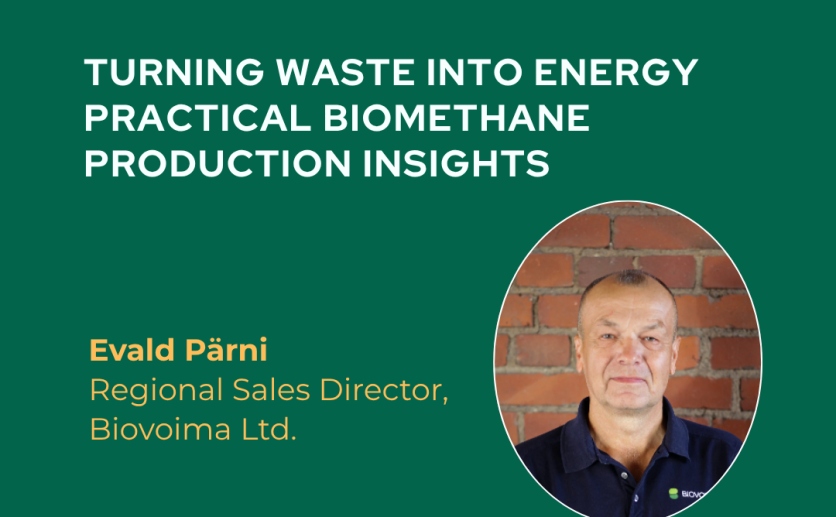
How can waste become a reliable, scalable energy source?
In this Greenstat Center of Excellence for Hydrogen (COE-H) webinar, we explore the real-world potential of biomethane production — one of the most practical pathways for clean energy, circular economy integration, and energy security.
🔗 Webinar Details
📅 20 March 2026
🎙 Moderator: Prasadini Wickramasinghe, Energy Analyst – Greenstat Asia
👤 Speaker: Evald Pärni, Regional Sales Director – Biovoima Ltd.
This session goes beyond theory and focuses on practical, deployable solutions in the biomethane value chain:
✔ How organic waste (agriculture, food, sewage) is converted into energy
✔ Key biogas upgrading technologies (Membrane, PSA, Scrubbing)
✔ Commercial viability, ROI (~20% typical benchmark), and revenue streams
✔ Integration with gas grids, transport fuel systems, and LNG infrastructure
✔ Real-world project examples from Europe and global markets
✔ How biomethane complements solar, wind, and hydrogen systems
Biomethane is emerging as a dispatchable, storable renewable energy source, offering:
For emerging markets like Sri Lanka and South Asia, this represents a high-impact opportunity to solve multiple challenges simultaneously.
The Greenstat Center of Excellence for Hydrogen (COE-H) is a national platform focused on:
This webinar series brings together global experts, policymakers, engineers, and investors to accelerate adoption of sustainable energy technologies.
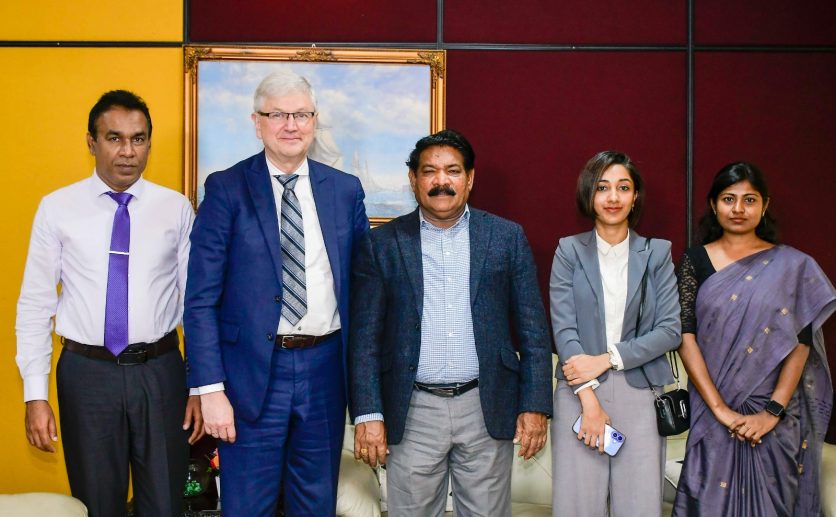
Sri Lanka is taking a strategic step toward aligning its ocean economy with its clean energy ambitions following high-level discussions between the Minister of Fisheries, Aquatic and Ocean Resources, Hon. Ramalingam Chandrasekar, and Norway’s Honorary Consul in Bergen–Vestland, Sturle Harald Pedersen.
The meeting, attended by Secretary to the Ministry Dr. B.K.K. Kolita Kamap Jinadasa and senior officials, focused on strengthening collaboration between Sri Lanka and Norway across fisheries, marine innovation, and sustainable ocean resource management.
The engagement reflects a broader shift toward integrating the country’s blue economy with its renewable energy transition—an area of growing global importance.
The discussions highlighted practical pathways to modernise Sri Lanka’s fisheries sector while safeguarding marine ecosystems.
Advancing marine research and data-driven fisheries management
Promoting sustainable fishing practices to protect ocean resources
Modernising fishing fleets and port infrastructure
Introducing digital and technological innovation into maritime operations
Norway’s experience in ocean industries and maritime technology presents strong opportunities for knowledge transfer and long-term collaboration.
While fisheries remained central to the discussions, the meeting also underscored the growing connection between ocean-based industries and clean energy systems.
Ports, shipping, and coastal infrastructure are increasingly seen as entry points for future hydrogen applications and renewable energy integration.
Adoption of low-emission fuels in maritime transport
Integration of renewable energy into port operations
Development of coastal energy hubs for future export markets
This convergence reflects a global trend where ocean economies play a critical role in enabling decarbonisation.
Greenstat continues to support Sri Lanka’s transition to a low-carbon economy through its work in hydrogen and renewable energy development.
Key contributions include:
Conducting feasibility studies for green hydrogen and biomass-to-energy solutions
Supporting government stakeholders and Education
Driving capacity building through the Greenstat Centre of Excellence
These efforts aim to build a strong foundation for a future hydrogen ecosystem while supporting national development priorities.
A key outcome of the meeting was the shared interest in expanding public–private partnerships and attracting strategic investments into the sector.
Cleaner and more efficient fishing fleets
Smart and sustainable port infrastructure
Marine technology and ocean data systems
Such investments are expected to enhance productivity, reduce environmental impact, and improve resilience across coastal communities.
The long-term success of these initiatives will depend on strengthening local expertise and institutional capacity.
The discussions emphasised:
Expanding training programmes in fisheries and maritime sectors
Strengthening collaboration between Sri Lankan and international universities
Facilitating knowledge transfer in clean energy and ocean technologies
This aligns with ongoing efforts to equip Sri Lanka’s workforce with the skills needed for both the blue economy and the energy transition.
The outcomes of this engagement reinforce Sri Lanka’s positioning at the intersection of ocean-based growth and clean energy transformation.
Greater alignment between fisheries modernisation and sustainable energy goals
Increased attractiveness for international investors and development partners
Opportunities to develop export-oriented, low-carbon industries
Strengthened resilience in both energy and food systems
As global energy systems evolve, countries that successfully integrate natural resources with clean technologies are likely to gain a competitive advantage.
The meeting marks an important step in deepening Sri Lanka–Norway cooperation across fisheries, maritime innovation, and sustainable energy development.
Continued collaboration between government, academia, and industry will be critical to unlocking the full potential of Sri Lanka’s ocean resources while supporting its transition to a resilient, low-carbon economy.
👉 Learn more about our past webinars here
👉 Explore our projects in Sri Lanka
Stay connected with Greenstat for updates:
Sri Lanka’s future lies in its ability to connect its natural strengths with emerging technologies—and partnerships like these are key to making that vision a reality.
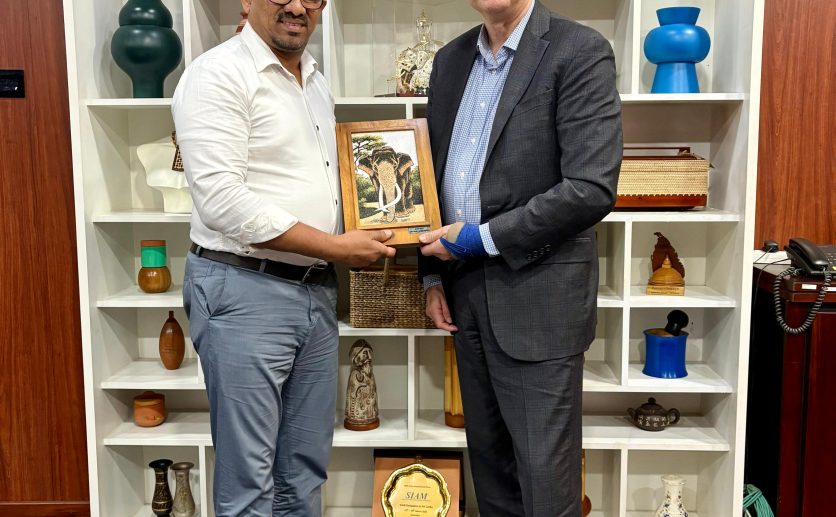
Greenstat Asia recently held a high-level meeting with Hon. Sunil Handunneththi, Minister of Industry and Entrepreneurship Development, to discuss opportunities to strengthen cooperation between Sri Lanka and Norway in green industry, renewable energy, and hydrogen development.
The meeting, held at the Ministry of Industry on 19 January 2026, brought together Minister Handunneththi, Sturle H. Pedersen, Honorary Consul of Sri Lanka in Norway and Chairman of Greenstat Asia, and Prasadini Wickramasinghe, Coordinator of the Greenstat Centre of Excellence in Hydrogen (COE-H). The discussion focused on identifying practical pathways to accelerate Sri Lanka’s energy transition while attracting sustainable industrial investment.
During the dialogue, both sides emphasised the strong potential for deeper collaboration between Norwegian clean-energy expertise and Sri Lanka’s growing interest in building a competitive green industrial ecosystem.
A key focus of the discussion was the role of green hydrogen in Sri Lanka’s long-term decarbonisation strategy.
Participants explored how emerging technologies such as hydrogen, green fuels, and advanced biomass solutions could support the development of new industries while reducing emissions in sectors such as transport, manufacturing, and heavy industry.
Greenstat Asia highlighted opportunities to utilise biomass residues and organic waste streams to produce clean energy carriers such as hydrogen and synthetic fuels. These solutions can contribute to a circular economy approach, turning agricultural and organic waste into valuable energy resources while supporting energy security and sustainable growth.
The meeting also reaffirmed the importance of establishing a supportive policy environment, infrastructure readiness, and clear regulatory frameworks to encourage early investment in hydrogen and green fuels.
The discussion underlined the importance of international partnerships in advancing Sri Lanka’s renewable energy ambitions.
Collaboration between governments, industry stakeholders, and research institutions will be essential to develop pilot projects, attract investors, and scale new technologies in the country.
Another important element raised during the meeting was the need to strengthen renewable energy education and workforce development. Building local technical expertise in hydrogen systems, safety standards, and advanced energy technologies will be critical to ensuring that future projects can be safely implemented and operated by a skilled domestic workforce.
Through initiatives such as the Greenstat Centre of Excellence in Hydrogen (COE-H), Greenstat Asia continues to support knowledge-sharing, professional training, and industry dialogue aimed at strengthening the regional hydrogen ecosystem.
Greenstat Asia is actively working with public and private sector partners to support Sri Lanka’s transition toward renewable energy, industrial decarbonisation, and clean fuel development.
The organisation contributes through feasibility studies, pilot initiatives, training programmes, and partnerships that help connect international technology expertise with local opportunities in Sri Lanka’s emerging green economy.
The meeting concluded with a shared commitment to deepen cooperation between Sri Lanka and Norway in advancing green hydrogen development, clean industrial innovation, and sustainable investment opportunities.
As global demand for low-carbon energy solutions continues to grow, initiatives such as these can play an important role in positioning Sri Lanka as a future hub for green industry and renewable energy development in Asia.
For updates on Greenstat’s work in green hydrogen in Sri Lanka, renewable energy education, and hydrogen partnerships, follow Greenstat on LinkedIn and the YouTube channel.
Learn more about our webinars here


Hyderabad / Colombo, 27.01.2026

Greenstat Asia Pvt Ltd and the Institute of Fire & Disaster Management Studies (IFSDMS), Vadodara, Gujarat, India, have signed a Letter of Intent (LOI) to collaborate on the establishment of a Center of Excellence (COE) in Hydrogen and Process Safety.
The proposed COE aims to address one of the most critical enablers of the hydrogen transition: safety, skills, and institutional capacity. The collaboration will focus on applied training, advanced risk modelling, testing and certification support, and the development of safety frameworks aligned with international best practices and national hydrogen programs.
Under the LOI, the parties will jointly explore:
Greenstat Asia will contribute international expertise in hydrogen and process safety, curriculum development, access to advanced modelling and simulation tools, and support for international partnerships and funding pathways. IFSDMS will act as the host institution, providing infrastructure, faculty, and operational capacity to deliver training and certification programs.
“Hydrogen will only scale if safety scales with it,” said Sturle Harald Pedersen, Chairman of Greenstat Asia.
“This collaboration is about building long-term institutional capability — not just projects. By combining international experience with strong local institutions, we aim to support industry and authorities in deploying hydrogen safely and responsibly.”
Commenting on the collaboration, IFSDMS Chairman Vikram Mahurkar leadership noted:
“As hydrogen technologies begin to enter industrial, transport, and infrastructure applications, safety competence becomes non-negotiable,” said a senior representative of IFSDMS.
“Through this collaboration, IFSDMS aims to strengthen professional training, applied research, and certification capacity in hydrogen and process safety, supporting industry, regulators, and emergency services with practical, field-oriented expertise.”
The initiative is intended to support industry, ports, infrastructure developers, public authorities, and emergency response organizations as hydrogen deployment accelerates across Asia. The LOI marks the first step toward a structured partnership, with the parties now working toward a detailed implementation plan, governance model, and phased rollout of the COE.
About Greenstat Asia
Greenstat Asia is a renewable energy and green hydrogen advisory and project development company, part of the Greenstat group, supporting governments, industry, and institutions in energy transition, hydrogen deployment, and process safety.
About IFSDMS
The Institute of Fire & Disaster Management Studies (IFSDMS) is a national institution dedicated to professional education, training, and applied research in fire safety, process safety, and disaster management.
Media Contact:
Greenstat Asia Pvt Ltd

Webinar Recording | Greenstat Center of Excellence for Hydrogen
The global shipping industry is entering a decisive decade for climate action.
This on-demand webinar recording, hosted by the Greenstat Center of Excellence for Hydrogen (COE-H), delivers a comprehensive and practical exploration of decarbonization pathways for the maritime sector, aligned with global net-zero emission goals, evolving IMO regulations, and regional policy frameworks such as EU ETS and FuelEU Maritime.
Featuring expert insights from Manish Saxena, CEO – India at Xtrac Tech, the session brings together technical, regulatory, and commercial perspectives essential for stakeholders navigating the shipping industry’s low-carbon transition.
This in-depth session addresses the most critical issues shaping the future of green shipping, including:
The shipping sector’s role in global emissions and why rapid decarbonization is now unavoidable
IMO decarbonization targets and the implications of near- and long-term compliance requirements
EU regulatory drivers such as EU ETS and FuelEU Maritime and their impact on ship owners and operators
Comparative assessment of alternative marine fuels, including green hydrogen, green methanol, ammonia, biofuels, LNG, and hybrid solutions
Fleet strategies: retrofitting versus new-build vessels in a net-zero context
Energy-efficiency measures such as digital optimisation, hull and propeller upgrades, wind-assist technologies, and shore power
Carbon capture, fuel scalability, safety considerations, and infrastructure readiness
The importance of cross-sector collaboration between ports, fuel suppliers, technology providers, financiers, and policymakers
Green shipping corridors and the role of ports in enabling low-carbon maritime trade
The webinar concludes with an interactive Q&A that addresses real-world challenges faced by shipping companies, regulators, and clean-energy developers.
Decarbonizing shipping is no longer a future ambition—it is a strategic, regulatory, and commercial imperative.
This webinar recording serves as a capacity-building resource for professionals seeking clarity on how net-zero targets translate into operational decisions, investment planning, and technology choices within the maritime sector. It is particularly relevant for emerging markets and port economies preparing for the next phase of global shipping decarbonization.
Shipping companies and fleet operators
Port authorities and maritime infrastructure planners
Policymakers and regulators
Renewable energy and hydrogen developers
Engineers, researchers, and sustainability professionals
Financial institutions and ESG teams supporting maritime projects
The Greenstat Center of Excellence for Hydrogen is a national and regional knowledge platform dedicated to accelerating the development of clean hydrogen and low-carbon energy ecosystems. COE-H focuses on capacity building, technical training, policy engagement, and cross-sector collaboration, supporting governments and industries in their transition toward a net-zero future.
Access the full webinar recording to gain expert-led insights into maritime decarbonization, alternative fuel pathways, and the strategic decisions shaping the future of global shipping.
▶️ Watch our past webinars on hydrogen, ports, safety, and industrial decarbonization
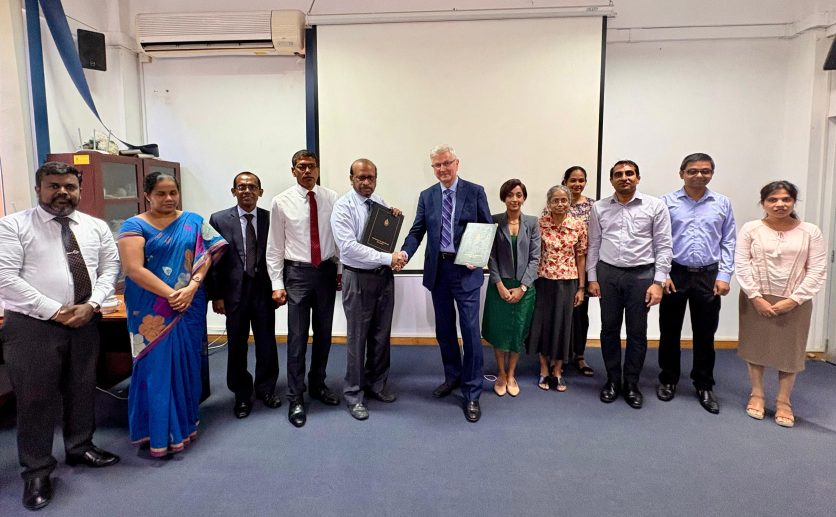
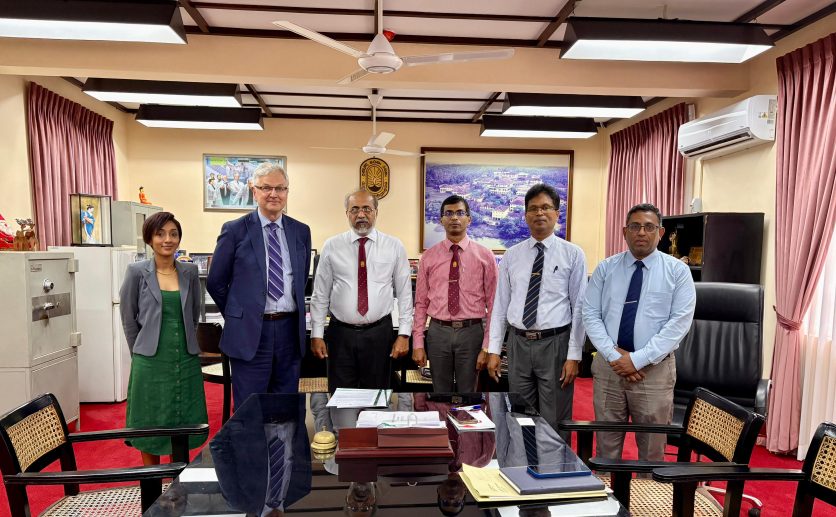
University of Moratuwa (UoM) and Greenstat Hydrogen have signed a Memorandum of Understanding (MoU) to establish a formal framework for collaboration on hydrogen technologies and green energy solutions. The strategic partnership is designed to align with Sri Lanka’s national priority on green hydrogen and will leverage UoM’s research excellence to strengthen the country’s role in the regional energy value chain.
The five-year MoU focuses on applied research and technological innovation, marking a significant step towards building a sustainable energy future for the nation. The partnership will enable joint initiatives in knowledge sharing, capacity building, and the development of practical hydrogen applications that can accelerate Sri Lanka’s energy transition.
The signing ceremony brought together senior representatives from both institutions. Representing the University of Moratuwa were Vice Chancellor Senior Professor Niranjan Gunawardena, Dean of the Faculty of Engineering Professor Jagath Manathunga, Registrar Mr. D.L.D. Jayantha, and Director of International Relations Dr. G.V.I. Samaradivakara. Also in attendance was Professor M.Y. Gunasekara, Head of the Department of Chemical and Process Engineering, underscoring the academic importance of the collaboration.
Greenstat Hydrogen was represented by Chairman of the Board, Hon. Sturle Harald Pedersen and Coordinator of Greenstat Center of Excellence in Hydrogen (COE-H) Prasadini Wickramasinghe.
29 SEP 2025
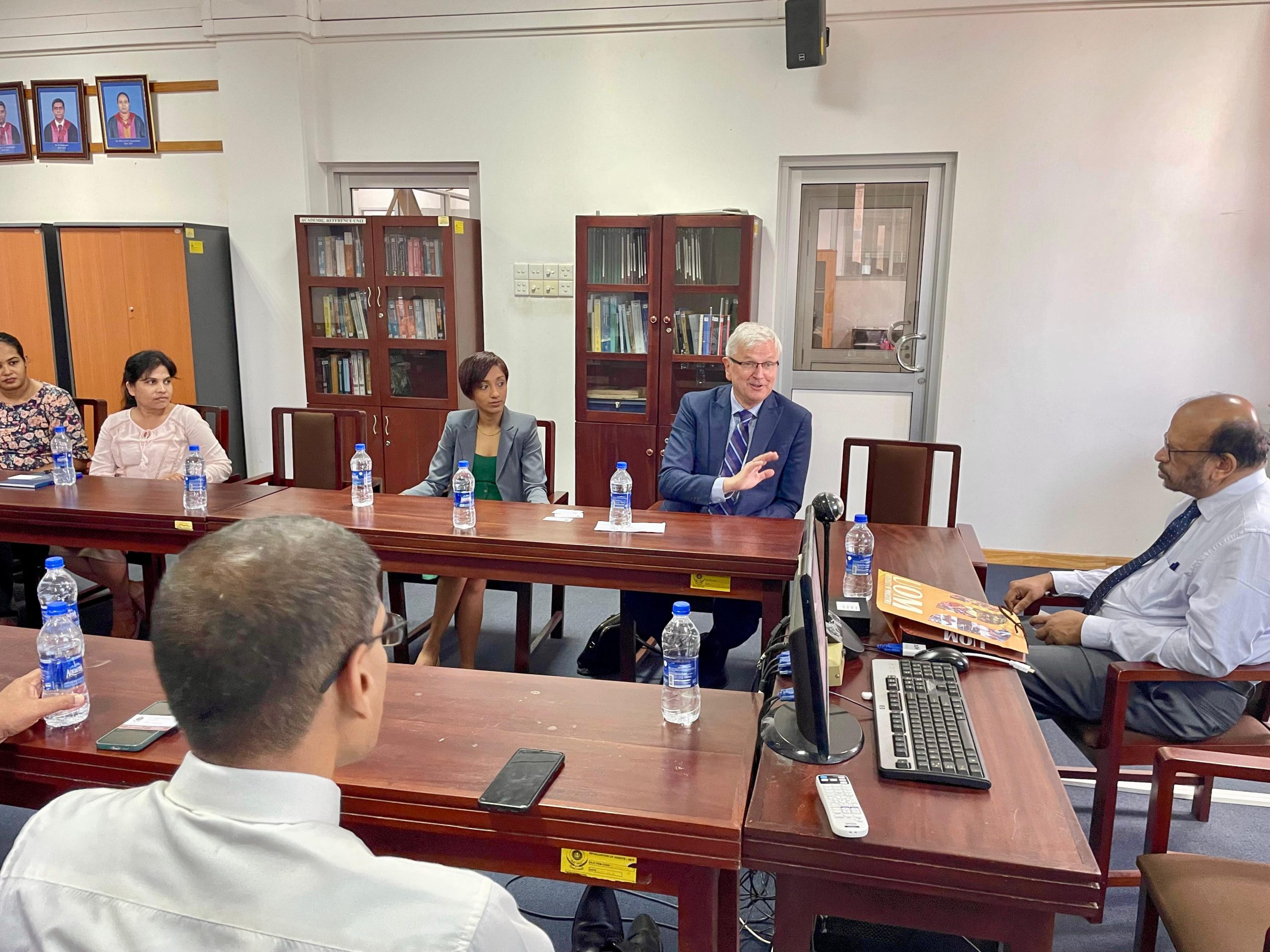
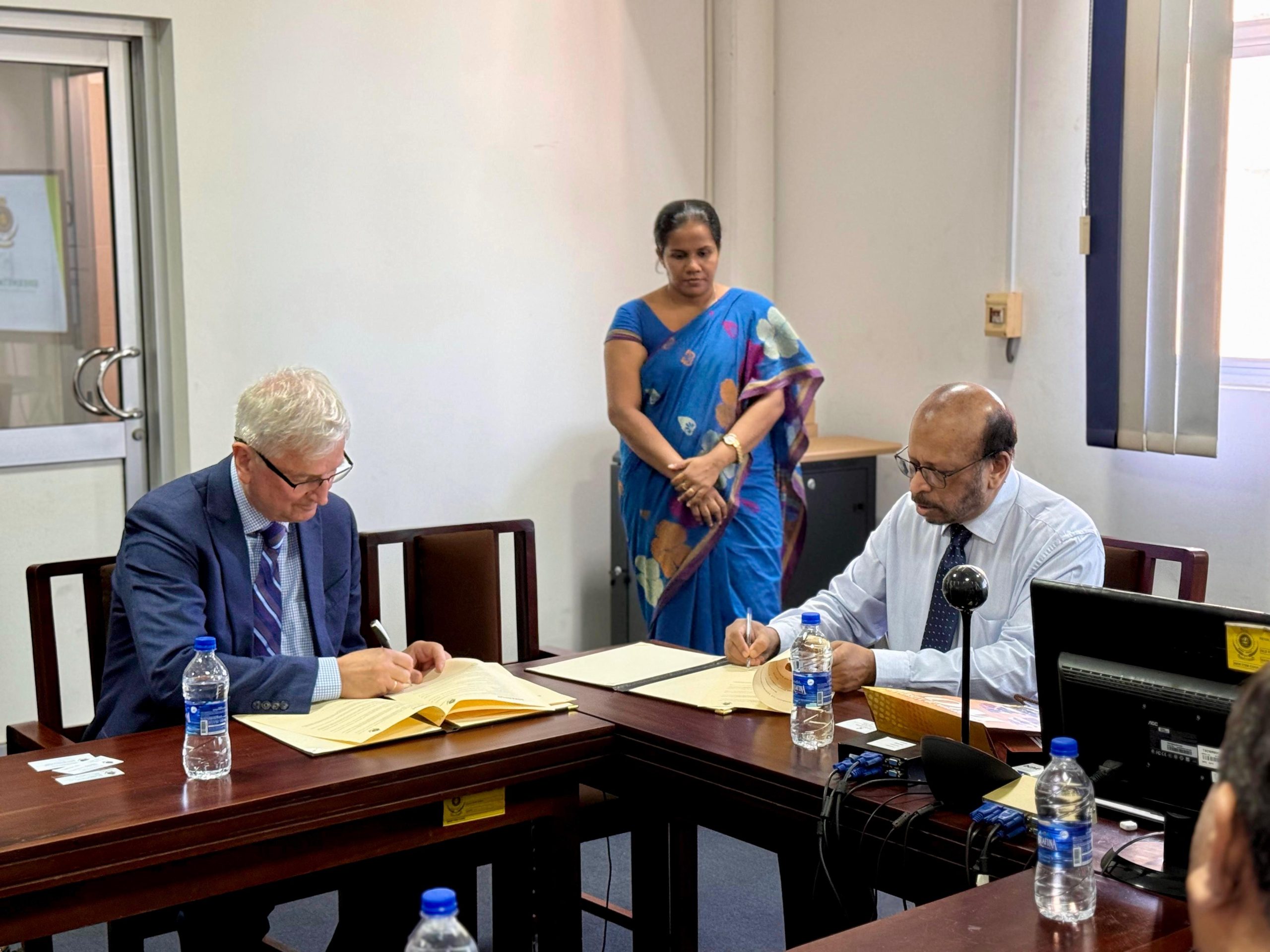
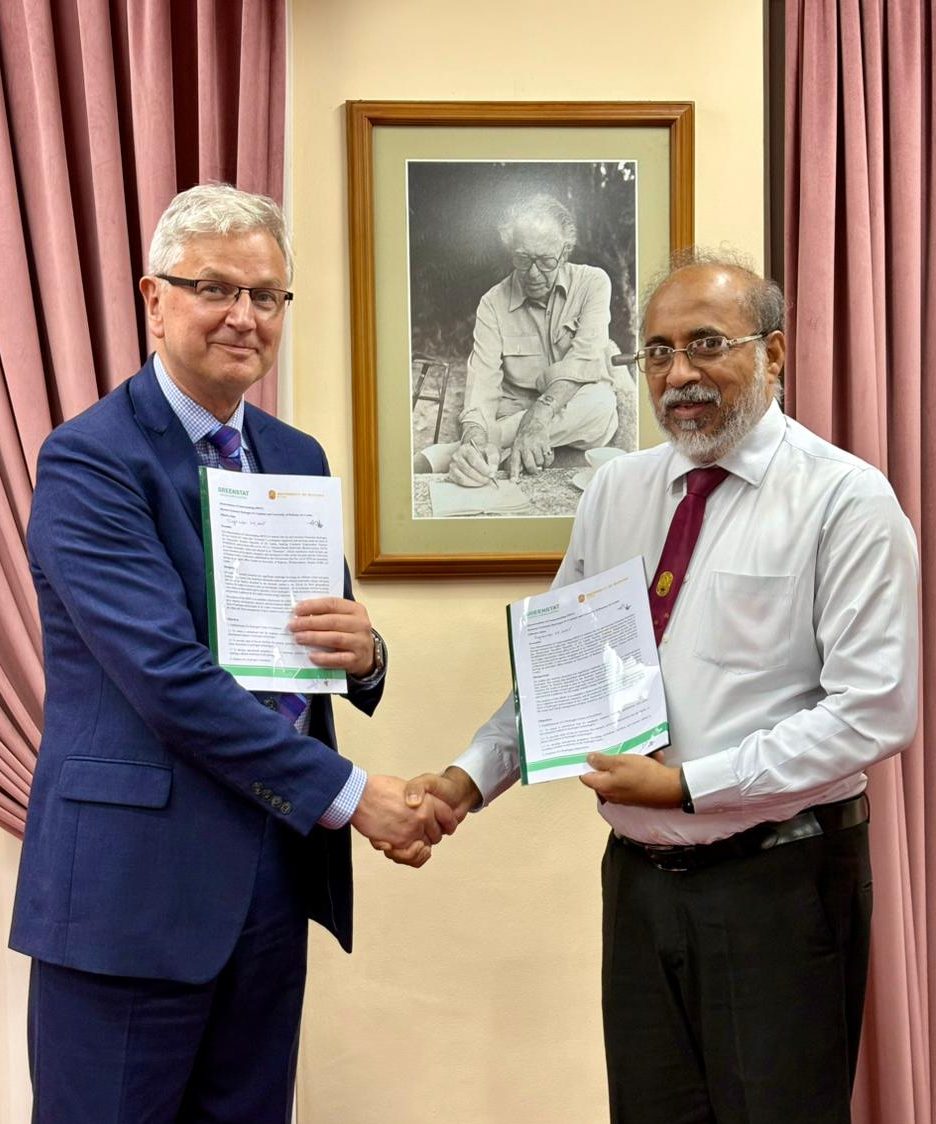
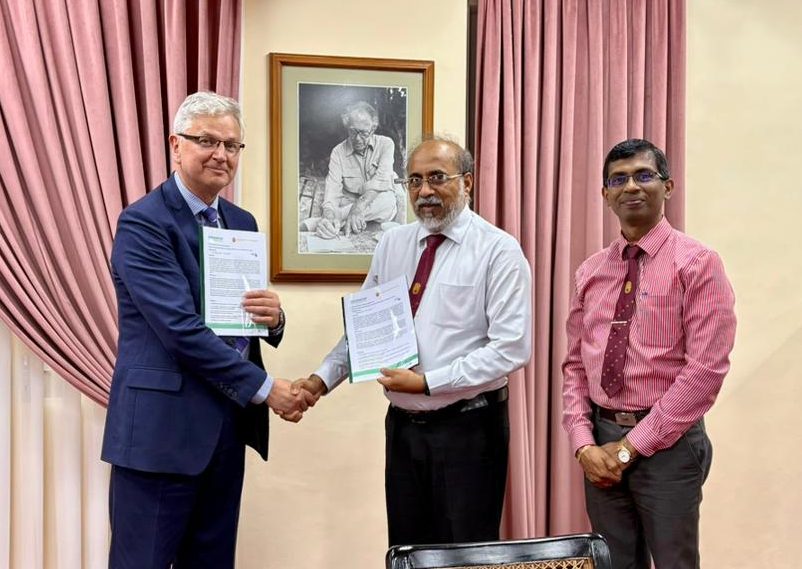
University of Ruhuna and Greenstat Hydrogen have signed a Memorandum of Understanding (MoU) to establish a framework for cooperation in hydrogen research, innovation, and capacity development. The agreement aims to strengthen academia–industry collaboration and position Sri Lanka as an active player in the regional green hydrogen economy.
The MoU will support joint initiatives to expand hydrogen education, advance research and development, and create opportunities for students and academics to participate in applied hydrogen projects. By combining academic expertise with industry knowledge, the partnership seeks to build a skilled workforce and accelerate Sri Lanka’s transition to sustainable energy.
The signing ceremony was attended by Senior Professor P.A. Jayantha, Vice Chancellor of the University of Ruhuna, together with Professor H.C.P. Karunasena, Dean of the Faculty of Engineering, Eng. Veditha De Silva, DMENA, Faculty of Engineering and Dr Sumith Baduge, Head of the Department of Marine Engineering & Naval Architecture. Greenstat Hydrogen was represented by Chairman Sturle H. Pedersen and Prasadini Wickramasinghe.
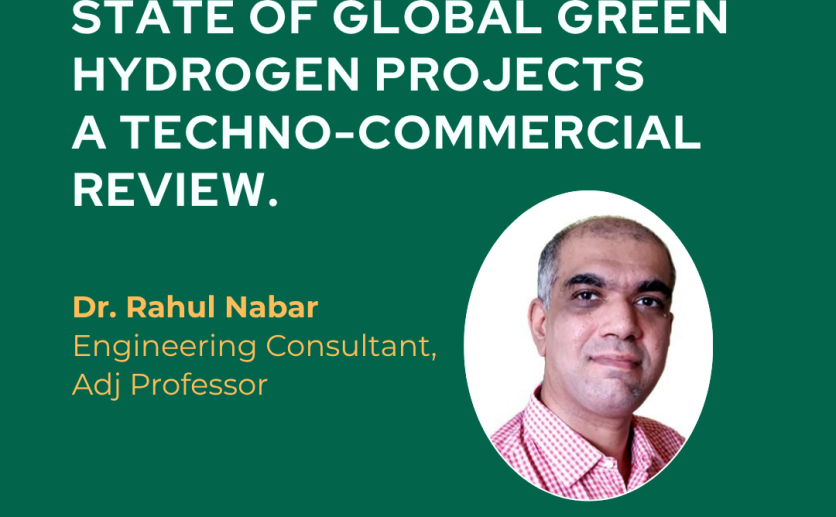
The transition to a net zero emission future is accelerating worldwide, and green hydrogen is fast emerging as a critical pillar of the clean energy economy. But where do global projects stand today, and what lessons can policymakers, industry leaders, and researchers draw from them?
This recorded webinar, “State of Global Green Hydrogen Projects: A Techno-Commercial Review”, brings together leading expertise from Dr. Rahul Nabar – Engineering Consultant and Adjunct Professor at IIT Bombay. With over 15 years of experience in hydrogen innovation, process design, safety, and regulations, Dr. Nabar provides a comprehensive analysis of the current state of global hydrogen projects and the road ahead.
✅ Overview of green hydrogen projects and initiatives across the globe
✅ Emerging business models, hydrogen technologies, and regulatory frameworks
✅ Case studies showcasing project success factors and challenges
✅ Strategic takeaways for capacity building, investment, and policy development
Dr. Rahul Nabar is an Adjunct Professor at IIT Bombay, Chartered Engineer, and Co-Chair of the R&D Committee at the Indian Chemical Council. He has advised global companies, startups, and investors on clean energy strategies and is widely recognised for his contributions to hydrogen technologies and capacity building.
📺 Watch the full webinar recording now and gain a deeper understanding of how green hydrogen projects are shaping the global energy transition.

Organized by the Greenstat Center of Excellence for Hydrogen (COE-H) in collaboration with Enapter, this exclusive webinar explores how green hydrogen production, microgrids, and advanced software for energy systems are unlocking new pathways to a sustainable, net zero emissions future.
🎤 Speaker: Sebastian-Justus Schmidt, Founder of Enapter and pioneer of modular Anion Exchange Membrane (AEM) electrolyzers.
In this session, Sebastian shares Enapter’s groundbreaking approach to electrolysis and demonstrates how modular electrolyzers can be scaled to power smart hydrogen microgrids. He explains how intelligent software enables real-time monitoring, predictive maintenance, and seamless integration of hydrogen into decentralized energy systems.
With case studies from Enapter’s global projects, including long-running demonstration platforms like the Phi Suea House in Thailand, this webinar provides practical insights into how hydrogen can replace diesel gensets, support rural electrification, and build resilient, flexible microgrids worldwide.
Gain a clear understanding of the role of green hydrogen in the global renewable energy transition.
Discover how microgrids powered by hydrogen can deliver energy independence and climate resilience.
Learn how modular electrolyzers reduce costs and accelerate capacity building.
See how software-driven energy management transforms complex systems into efficient, reliable clean energy solutions.
Explore opportunities for South Asia and other emerging markets in the global hydrogen economy.
📌 Watch the recording now and gain expert insights into how Enapter’s modular electrolyzers and hydrogen-powered microgrids can drive the global clean energy transition.
Explore our past Greenstat COE-H Webinars featuring global experts in green hydrogen, renewable energy, and net zero strategies.
👉 Click here to watch past webinars

How can regions collaborate to accelerate the global clean energy transition and achieve net-zero emissions?
This exclusive webinar, hosted by the Greenstat Center of Excellence for Hydrogen (COE-H), features insights from the United Nations Industrial Development Organization (UNIDO) and its Global Network of Regional Sustainable Energy Centres (GN-SEC). Launched in 2010, GN-SEC has become a pioneering platform that empowers countries across Africa, the Arab region, Asia-Pacific, Latin America, and Central Asia to drive regional collaboration on renewable energy, green hydrogen, and sustainable innovation.
🎤 Keynote Speaker
Andrea Eras Almeida – Renewable Energy Expert at UNIDO, with over 15 years of experience in renewable energy, climate innovation, and energy efficiency. Andrea shared how GN-SEC bridges the gap between international climate agreements and national implementation, fostering policy harmonisation, capacity building, technology transfer, and green jobs.
Understand the GN-SEC framework for regional clean energy cooperation.
Learn from case studies in Africa, Asia-Pacific, and Latin America.
Discover UNIDO’s multi-stakeholder approach through South-South and triangular cooperation.
Explore GN-SEC’s virtual maker-space model, driving capacity building, project development, and innovation.
See how Sri Lanka and other developing nations can leverage GN-SEC to advance their net-zero energy transition goals.
The GN-SEC initiative is a bold step in global capacity building for renewable energy and green hydrogen solutions. By harmonising policies, strengthening technical expertise, and mobilising investment, GN-SEC enables developing nations to pursue net-zero pathways, inclusive growth, and a just energy transition.
👉 Watch the full webinar recording now to learn how your country, institution, or business can partner with UNIDO’s GN-SEC and become part of the global clean energy community working towards sustainable, carbon-neutral futures.
Watch the full webinar recording now
🔔 Don’t forget to Like, Comment, and Subscribe for more thought-provoking webinars.
Explore our past Greenstat COE-H Webinars featuring global experts in green hydrogen, renewable energy, and net zero strategies.
👉 Click here to watch past webinars

