Sign in


Create an account
Registration has been disabled.
Lost Password?
Enter your email address and we'll send you a new password..
If remembered password go back to login.


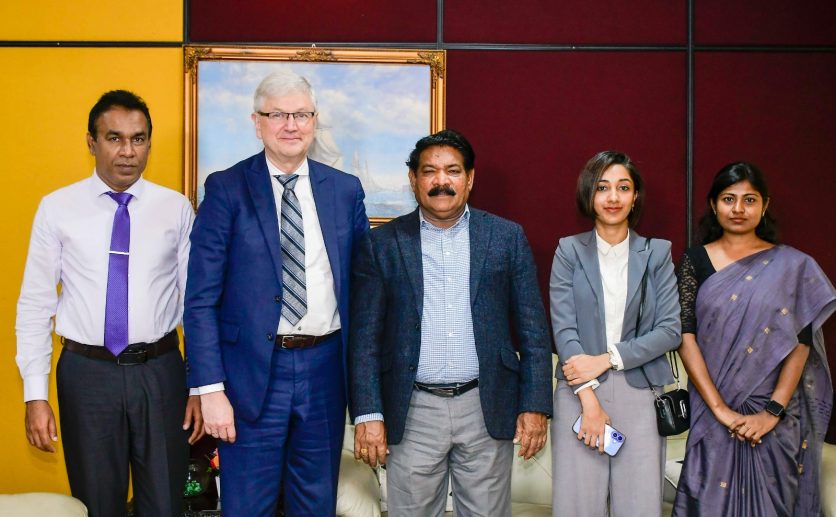
Sri Lanka is taking a strategic step toward aligning its ocean economy with its clean energy ambitions following high-level discussions between the Minister of Fisheries, Aquatic and Ocean Resources, Hon. Ramalingam Chandrasekar, and Norway’s Honorary Consul in Bergen–Vestland, Sturle Harald Pedersen.
The meeting, attended by Secretary to the Ministry Dr. B.K.K. Kolita Kamap Jinadasa and senior officials, focused on strengthening collaboration between Sri Lanka and Norway across fisheries, marine innovation, and sustainable ocean resource management.
The engagement reflects a broader shift toward integrating the country’s blue economy with its renewable energy transition—an area of growing global importance.
The discussions highlighted practical pathways to modernise Sri Lanka’s fisheries sector while safeguarding marine ecosystems.
Advancing marine research and data-driven fisheries management
Promoting sustainable fishing practices to protect ocean resources
Modernising fishing fleets and port infrastructure
Introducing digital and technological innovation into maritime operations
Norway’s experience in ocean industries and maritime technology presents strong opportunities for knowledge transfer and long-term collaboration.
While fisheries remained central to the discussions, the meeting also underscored the growing connection between ocean-based industries and clean energy systems.
Ports, shipping, and coastal infrastructure are increasingly seen as entry points for future hydrogen applications and renewable energy integration.
Adoption of low-emission fuels in maritime transport
Integration of renewable energy into port operations
Development of coastal energy hubs for future export markets
This convergence reflects a global trend where ocean economies play a critical role in enabling decarbonisation.
Greenstat continues to support Sri Lanka’s transition to a low-carbon economy through its work in hydrogen and renewable energy development.
Key contributions include:
Conducting feasibility studies for green hydrogen and biomass-to-energy solutions
Supporting government stakeholders and Education
Driving capacity building through the Greenstat Centre of Excellence
These efforts aim to build a strong foundation for a future hydrogen ecosystem while supporting national development priorities.
A key outcome of the meeting was the shared interest in expanding public–private partnerships and attracting strategic investments into the sector.
Cleaner and more efficient fishing fleets
Smart and sustainable port infrastructure
Marine technology and ocean data systems
Such investments are expected to enhance productivity, reduce environmental impact, and improve resilience across coastal communities.
The long-term success of these initiatives will depend on strengthening local expertise and institutional capacity.
The discussions emphasised:
Expanding training programmes in fisheries and maritime sectors
Strengthening collaboration between Sri Lankan and international universities
Facilitating knowledge transfer in clean energy and ocean technologies
This aligns with ongoing efforts to equip Sri Lanka’s workforce with the skills needed for both the blue economy and the energy transition.
The outcomes of this engagement reinforce Sri Lanka’s positioning at the intersection of ocean-based growth and clean energy transformation.
Greater alignment between fisheries modernisation and sustainable energy goals
Increased attractiveness for international investors and development partners
Opportunities to develop export-oriented, low-carbon industries
Strengthened resilience in both energy and food systems
As global energy systems evolve, countries that successfully integrate natural resources with clean technologies are likely to gain a competitive advantage.
The meeting marks an important step in deepening Sri Lanka–Norway cooperation across fisheries, maritime innovation, and sustainable energy development.
Continued collaboration between government, academia, and industry will be critical to unlocking the full potential of Sri Lanka’s ocean resources while supporting its transition to a resilient, low-carbon economy.
👉 Learn more about our past webinars here
👉 Explore our projects in Sri Lanka
Stay connected with Greenstat for updates:
Sri Lanka’s future lies in its ability to connect its natural strengths with emerging technologies—and partnerships like these are key to making that vision a reality.
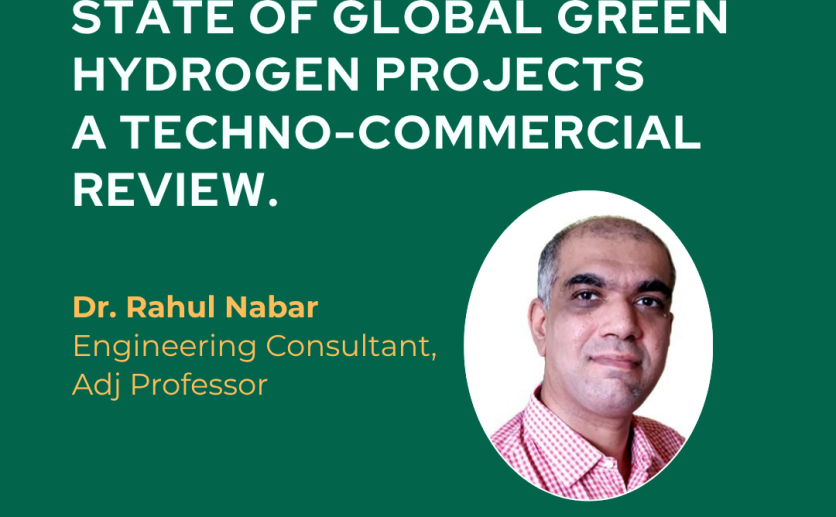
The transition to a net zero emission future is accelerating worldwide, and green hydrogen is fast emerging as a critical pillar of the clean energy economy. But where do global projects stand today, and what lessons can policymakers, industry leaders, and researchers draw from them?
This recorded webinar, “State of Global Green Hydrogen Projects: A Techno-Commercial Review”, brings together leading expertise from Dr. Rahul Nabar – Engineering Consultant and Adjunct Professor at IIT Bombay. With over 15 years of experience in hydrogen innovation, process design, safety, and regulations, Dr. Nabar provides a comprehensive analysis of the current state of global hydrogen projects and the road ahead.
✅ Overview of green hydrogen projects and initiatives across the globe
✅ Emerging business models, hydrogen technologies, and regulatory frameworks
✅ Case studies showcasing project success factors and challenges
✅ Strategic takeaways for capacity building, investment, and policy development
Dr. Rahul Nabar is an Adjunct Professor at IIT Bombay, Chartered Engineer, and Co-Chair of the R&D Committee at the Indian Chemical Council. He has advised global companies, startups, and investors on clean energy strategies and is widely recognised for his contributions to hydrogen technologies and capacity building.
📺 Watch the full webinar recording now and gain a deeper understanding of how green hydrogen projects are shaping the global energy transition.

