Sign in


Create an account
Registration has been disabled.
Lost Password?
Enter your email address and we'll send you a new password..
If remembered password go back to login.


Experience a highly engaging session with Hirendra Chatterjee, Head of Business Development at Draeger Safety India Pvt Ltd, and Oliver Bornholdt, Global Business Development Manager at Dräger, as they delve into critical safety considerations for ammonia as a hydrogen derivative in industrial applications. This insightful discussion addresses the latest safety challenges, detection technologies, and international guidelines.
About the Speakers:
Hirendra Chatterjee: With over 25 years of experience in industrial safety, Hirendra is an OSHA-certified Qualified Safety Sales Professional (QSSP) and a chemical engineer, holding a postgraduate qualification in marketing. As a member of the Bureau of Indian Standards (BIS) Chemical Committee, he actively contributes to safety standardization in India.
Oliver Bornholdt: Bringing over 25 years of diverse industry experience, Oliver is a certified Six Sigma Green Belt and an advocate for industrial safety. As the Global Business Development Manager at Dräger, he focuses on digital transformation and emerging technologies, with a particular emphasis on hydrogen and ammonia safety.
Learn more at the Dräger official website
What is Green Ammonia Safety? This session explores essential safety practices and guidelines for ammonia in hydrogen applications.
✅Why Green Ammonia Safety Matters: Ammonia’s Role in the Hydrogen Economy
✅Key Safety Challenges: Safety Challenges and Risk Management
✅Best Practices: Detection and Mitigation Solutions
✅Global Guidelines: International Guidelines and Compliance
This session is an essential resource for professionals involved in hydrogen safety, process engineering, or industrial risk management. Gain valuable technical insights and learn best practices for mitigating safety risks associated with ammonia.
GHI is dedicated to driving sustainability and innovation across various industries, offering customized solutions tailored to meet the specific needs of our clients while contributing to a cleaner and more sustainable future for generations to come.
Providing sustainable solutions for optimizing processes and reducing environmental impact.
Offering innovative technologies to minimize emissions and enhance efficiency in the production of petrochemicals and chemicals.
Renewables
Developing renewable energy projects such as solar, wind, and hydroelectric power.
Oil & Gas
1. Upstream: Supporting exploration and production activities with sustainable practices.
2. Midstream: Enhancing the efficiency and safety of transportation and storage infrastructure.
3. Downstream: Optimizing refining and distribution processes while reducing environmental footprint.
Hydrogen, Ammonia
Promoting the adoption of hydrogen and ammonia as clean energy sources.
CCUS
(Carbon Capture, Utilization, and Storage): Implementing technologies to capture and store carbon emissions, mitigating climate change.
Liquefied Natural Gas (LNG)
Facilitating the transition to cleaner fuels through LNG infrastructure and solutions.
Implementing sustainable practices and technologies to reduce waste and improve efficiency in pharmaceutical manufacturing.
Offering sustainable solutions for food processing, packaging, and distribution to minimize environmental impact.
Advancing sustainable transportation solutions, including electric vehicles, biofuels, and efficient logistics.
Providing eco-friendly solutions for manufacturing processes and equipment, optimizing energy usage and resource efficiency.
A subsidiary of Midwest Energy, Hyderabad, India
Greenstat Asia operates in strategic partnership with Christian Michelsen Energy Pvt. Ltd. (CME), a subsidiary of Midwest Energy, Hyderabad, India, bringing together international expertise in renewable energy, process safety, engineering, and industrial decarbonization.
Together, Greenstat Asia and CME deliver advisory, engineering, and risk management solutions for governments, industries, investors, and infrastructure developers across Asia and beyond.
| Green Hydrogen | Process Safety | Risk Management | Renewable Energy |
| Feasibility Studies | Engineering | Capacity Building | Industrial Decarbonization |










University of JaffnaCollaborative research and capacity building in sustainable energy. |

University of PeradeniyaJoint research in materials science and electrochemistry for clean energy. |

University of RuhunaAcademic collaboration supporting Sri Lanka’s green hydrogen ecosystem. |

University of MoratuwaPartnership in chemical and process engineering innovation. |

National Institute of Solar Energy (NISE)Strategic academic collaboration supporting solar and renewable energy research in India. |

Institute of Fire and Disaster Management Studies (IFSDMS)Collaboration in safety, emergency preparedness and disaster management studies. |

National Scientist FederationSupporting scientific collaboration and knowledge exchange for sustainable development. |
Collaborative research and capacity-building with leading Sri Lankan universities.
Global and regional experts guiding Greenstat Asia’s strategy in green hydrogen and process safety.
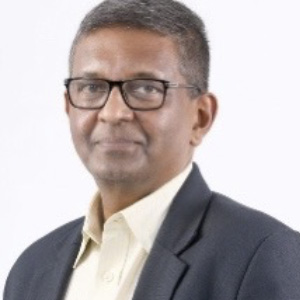 Prof. Ajith De AlwisSenior Professor, Chemical & Process Engineering, University of Moratuwa · Chief Innovation Officer, National Innovation AgencyPhD, University of Cambridge. Fellow, National Academy of Sciences Sri Lanka, long-standing columnist on innovation and industry policy.
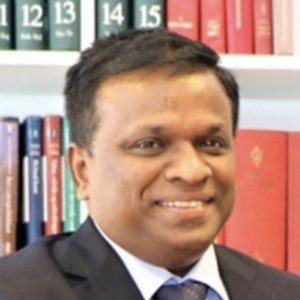 Prof. P. RavirajanDean, Faculty of Science & Senior Professor in Physics, University of JaffnaRecipient of the CVCD Excellence Award and multiple Presidential Research Awards, former member of Sri Lanka’s National Research Council.
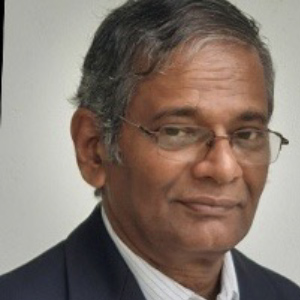 Eng. Nimal PereraCivil & Structural Engineer, FIStructE, FIE, CEng · Consultant, Eco-Pro TechnologiesExtensive international experience across Australia, the UK, Asia, Africa and the Americas. Adjunct Professor, Queensland University of Technology.
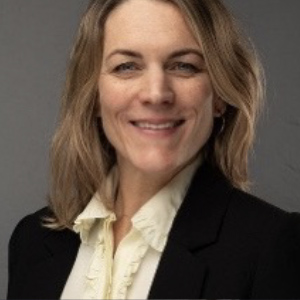 Keren LandmarkManaging Director, GRID-ArendalPhD in Sustainability Transitions and International Management. Former Chair of the Board, Greenstat Asia, and Green Strategy Officer, Greenstat ASA.
 Jan Roar BakkeInternational Advisory Network — Process Safety & Risk Management30+ years’ expertise in explosion and fire safety, process safety and risk analysis, former Chairman of the IOGP Process Safety Subcommittee.
 Prof. Dhavalan VelauthapillaiProfessor, Western Norway University of Applied SciencesLeads the ANCEHA research group on nanomaterials for solar cells, hydrogen production and energy storage. 340+ peer-reviewed publications.
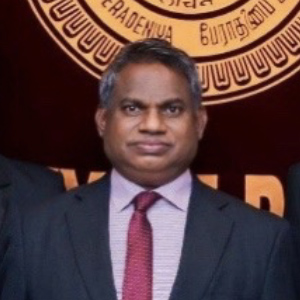 Prof. Gamini RajapakseSenior Professor in Chemistry, University of PeradenyaPhD and D.I.C., Imperial College London. Specialist in nanotechnology, electrochemistry and materials science, with 100+ indexed publications.
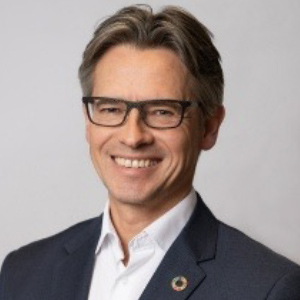 Bernt SkeieFounding CEO, Christian Michelsen Energy Advisors · Co-founder, Greenstat AS20+ years across renewable energy, maritime technology, R&D and finance, has led multiple IPOs and held board roles internationally.
 Gorm S. StangelandProcess, Piping & Mechanical Lead, RWE Offshore Wind38+ years in renewable energy, offshore wind, oil & gas, subsea and shipbuilding, spanning concept through commissioning on major projects.
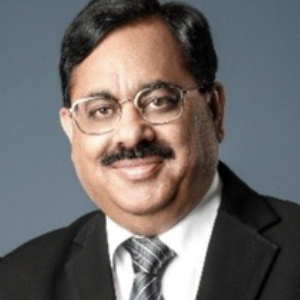 Dr. Alok SharmaSenior Vice President, Hydrogen Association of India · Former Director (R&D), Indian Oil Corporation Ltd.IIT Delhi alumnus with 60+ granted patents across refining, hydrogen, gasification and energy-storage.
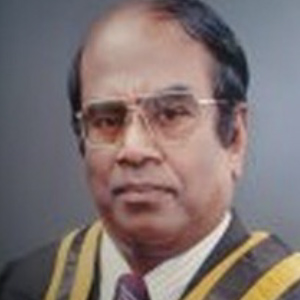 Prof. Lakshaman DissanayakeResearch Professor, National Institute of Fundamental Studies, KandyRanked among the top 2% of research scientists worldwide (Stanford, 2023), 40+ years in renewable energy and materials research.










| ➔ | MNRE (India) |
| ➔ | MoEF & CC (India) |
| ➔ | NDMA (India) |
| ➔ | Sustainable Energy Authority (Sri Lanka) |
| ➔ | CPCB (India) |
| ➔ | PESO (India) |
| ➔ | OISD (India) |
| ➔ | Central Environmental Authority (Sri Lanka) |
| ➔ | IRDAI |
| ➔ | Development Finance Institutions |
| ➔ | Insurance Companies |
Error: Contact form not found.

Catch the full replay of our exclusive webinar with Kristina Đurkić, Senior Business Development Manager at Kjeller Innovasjon AS! Dive into Norway’s latest hydrogen scale-up initiatives and explore the innovations shaping the future of the hydrogen sector.
Kristina shares her expertise in turning ideas into commercialization and emerging trends you won’t want to miss.
📅 Originally Broadcast: 18th October 2024
Incident Investigation and Emergency Response focus on learning from past incidents, improving emergency response procedures, and utilizing advanced technologies such as Augmented Reality (AR) and Virtual Reality (VR) for training and simulation.
Safety in Design Solutions involves integrating safety considerations into the design phase of industrial processes and facilities to minimize risks and enhance safety.
Land Use Planning and Layout Optimisation Assessment
This assessment evaluates the layout of industrial facilities to minimize the impact of potential hazards on surrounding areas and communities.
Structural Response and Integrity Assessment
This assessment evaluates the structural integrity of buildings and equipment to ensure they can withstand potential hazards such as explosions or fires.
Design Accidental Load ( fire and blast) Assessment
This assessment evaluates the potential loads placed on structures and equipment during accidents such as fires or explosions.
Active and Passive Fire Protection Assessment
This assessment evaluates the effectiveness of fire protection measures such as fire suppression systems, fireproofing, and passive fire protection barriers.
Fire and Gas Mapping Studies
These studies involve mapping the distribution of flammable gases and potential fire scenarios within industrial facilities to identify areas of high risk.
HAC and ATEX Studies
HAC (Hazardous Area Classification) and ATEX (Atmosphères Explosibles) studies involve classifying areas within industrial facilities based on the likelihood of explosive atmospheres forming and assessing the effectiveness of safety measures in these areas.
Building Risk Assessment involves evaluating the structural integrity and safety features of buildings in industrial facilities to ensure they can withstand potential hazards such as explosions or fires.


